Why Life Sciences Teams Need a
Specialised, Purpose-Built CRM
Across the life sciences ecosystem,
organizations work with healthcare
professionals and institutions to
advance scientific knowledge,
address unmet needs, and improve
care for patients and communities
worldwide. The quality of these
relationships and the ability to
understand and act on them can have
a meaningful impact on how
effectively organizations achieve
that mission. A purpose-built life
sciences CRM can help teams drive
scientific engagement efficiently.
Monday, August 24, 2026
What is a Life Sciences CRM?
Life sciences customer relationship management
(CRM) is a system combining solutions and
technologies that enable pharmaceutical,
medtech, biotech organizations to drive
structured, compliant HCP engagement. It enables
automation across a range of critical tasks,
from field rep activity and scientific
information exchange to KOL engagement, while
helping teams plan, manage, and execute
campaigns across regions in a compliant,
coordinated manner.
Beyond automation, CRM brings visibility into
how stakeholders are engaged over time,
supporting better decisions around outreach and
timing across every touchpoint in the HCP
engagement lifecycle. This structure helps
organizations move away from disconnected
efforts and toward a more structured approach to
engagement.
Life Sciences Companies Need More Than a
Generic CRM
Life sciences teams engage with healthcare
professionals and organizations for different
purposes and across different stages of a
relationship. Some relationships develop over
months. Others center on a specific scientific
objective, therapeutic area, clinical activity,
or interaction.
As these relationships grow across functions,
geographies, and product lines, managing this
information through generic CRM systems or
disconnected tools becomes difficult.
Cross-functional initiatives that blend
commercial outreach with medical insights often
stall due to limited visibility into one
another's activities. Firewalling between
commercial and medical functions is necessary
and should remain in place, but visibility can
still be extended for what each function
genuinely needs to know.
Without this shared understanding, coordination
remains difficult. Teams lose a continuous
picture of engagement and struggle to understand
the broader relationship. As a result,
engagement suffers.
Life sciences also operates in a highly
regulated, science-driven environment. A generic
pharma CRM cannot handle the nuance, compliance
requirements, and depth of stakeholder
intelligence this demands.
A CRM designed specifically for life sciences
provides a more connected foundation for
managing stakeholder relationships and
engagement at scale.
Generic CRM systems are typically designed
around sales management. Life sciences
organizations, however, manage a broader range
of KOL and institutional relationships, each
with different engagement objectives and
information needs.
As a result, several gaps can emerge.
How a CRM Software Creates Value Across
Different Functions
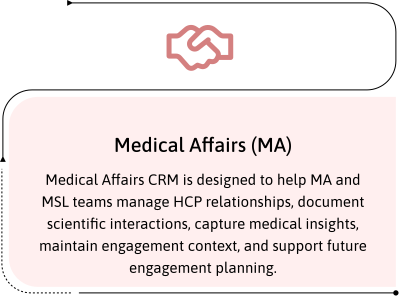
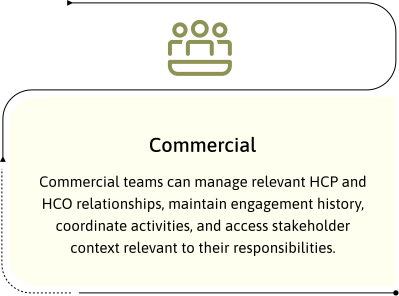
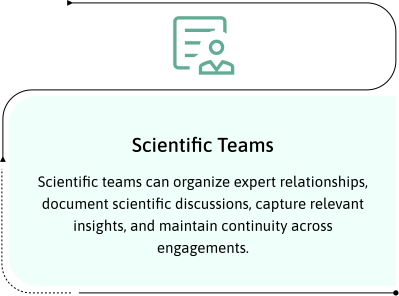
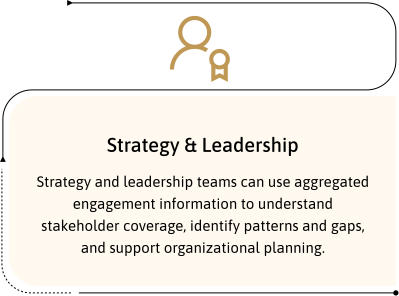
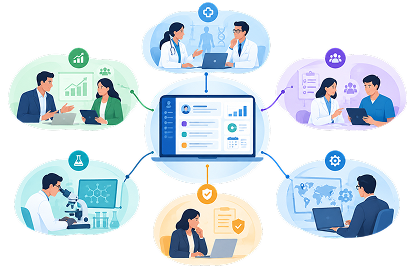
A life sciences CRM can support multiple
functions, with each using stakeholder and
engagement information according to its own
objectives.
The value is not that every
function uses CRM in exactly the
same way. It is that different
teams can manage their own
engagement requirements while
working from a more consistent
view of relevant stakeholder
information.
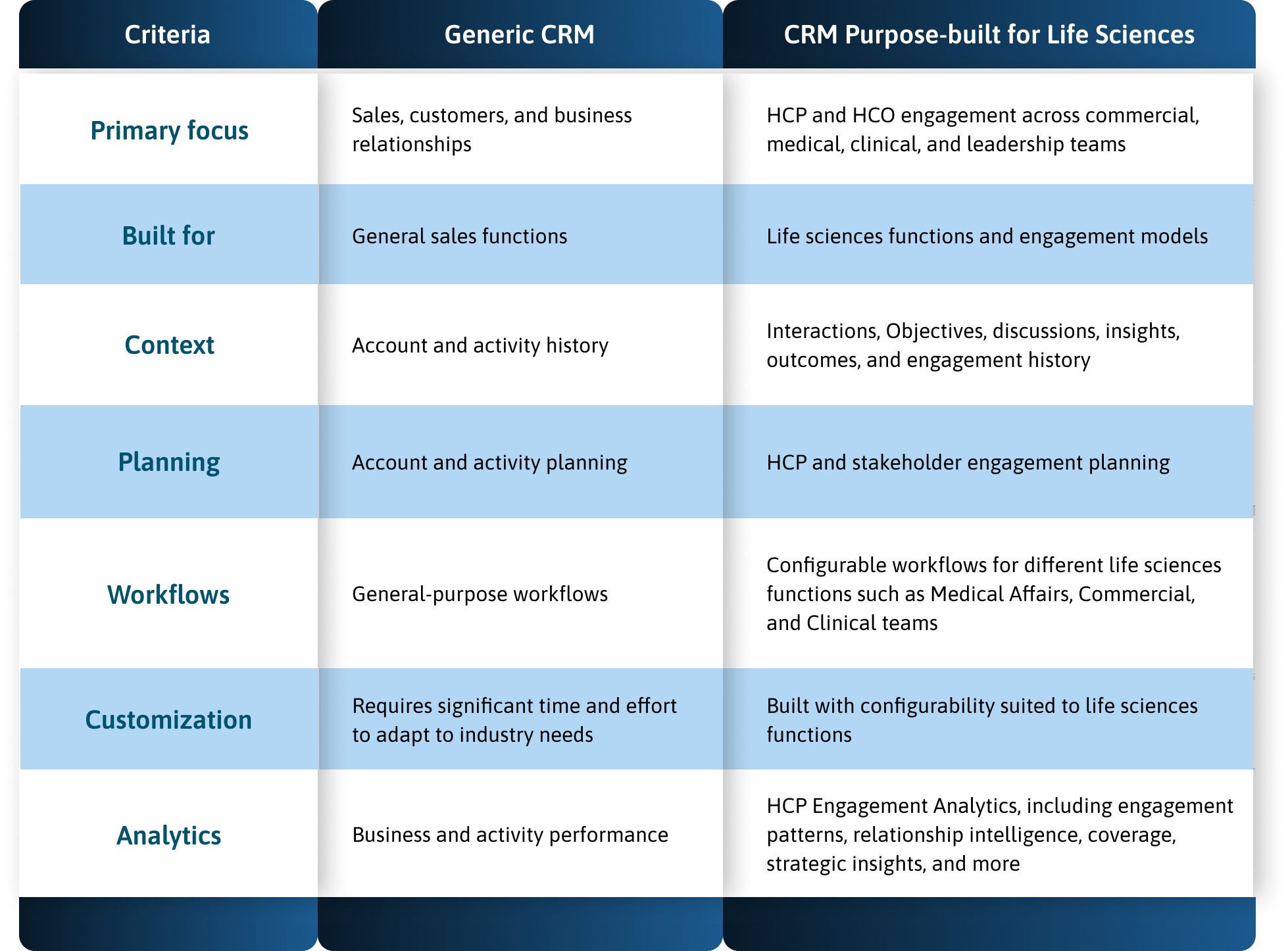
The difference between a CRM purpose-built for
life sciences and a generic CRM largely comes
down to what each is designed to manage.
How to Choose a Life Sciences CRM
Solution
Choosing a pharma CRM, or any life sciences CRM,
should go beyond comparing feature lists. Two
platforms may offer similar capabilities on
paper while differing significantly in how they
handle stakeholder information, workflows,
analytics, integrations, and user adoption.
Start With Your Requirements
Can teams document the substance
of an interaction, including
objectives, discussions,
insights, outcomes, and
follow-ups? Can that information
remain connected to the
stakeholder and be carried into
future engagement?
Test Cross-Functional Workflows
Test the HCP engagement platform
against real scenarios from
Medical Affairs, Commercial,
Clinical, Scientific, and other
teams. Can each function work
according to its requirements
without creating fragmented
processes?
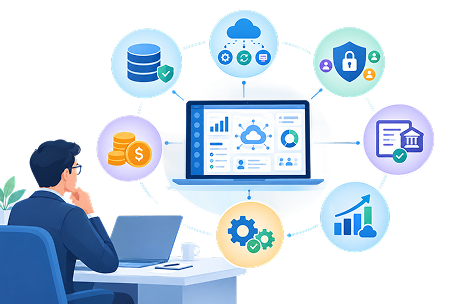
Evaluate the Technology Behind
It
Look beyond functionality to
assess data quality,
integrations, permissions,
governance, scalability,
implementation requirements, and
total cost of ownership. An HCP
engagement software may have an
extensive feature set but still
create unnecessary complexity if
it requires excessive
customization or becomes
difficult to maintain.
Consider User Adoption
The CRM should make everyday
work easier, not simply create
another system for teams to
update. Users should be able to
access relevant information
easily, capture engagement
without unnecessary effort, and
see clear value from maintaining
accurate records.
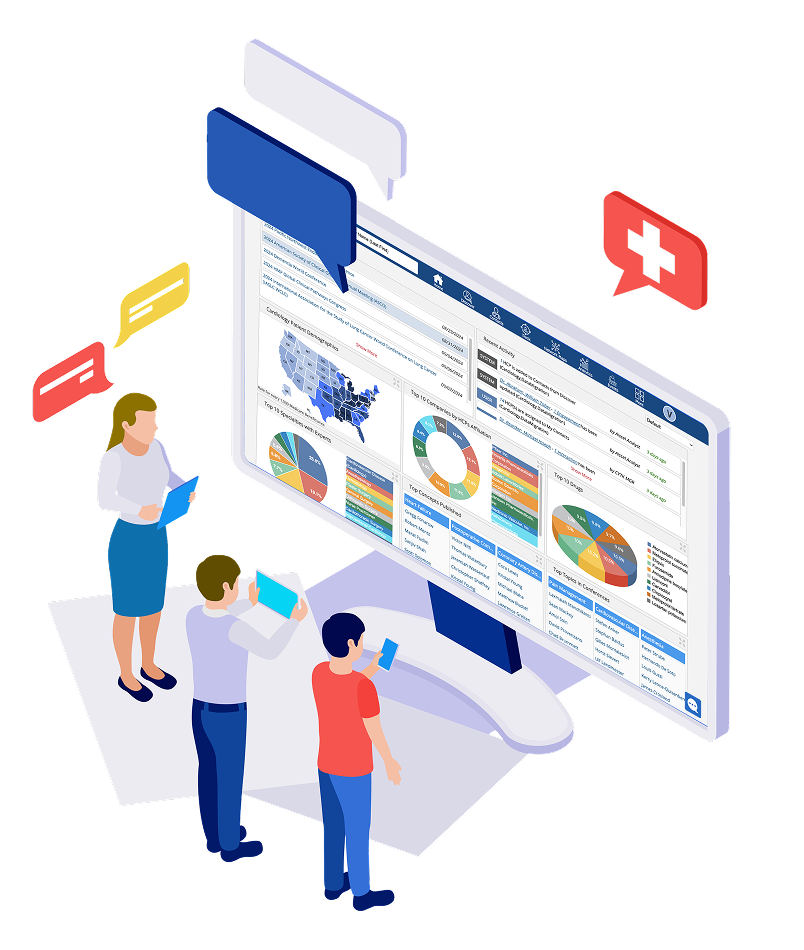
Teams can configure engagement workflows around
their specific objectives while maintaining a
consistent view of relevant stakeholder
information across functions. The insightful
analytics help teams understand engagement
patterns, relationship context, coverage, and
emerging priorities.
The result is a CRM designed around the
requirements of life sciences relationships, not
a generic system adapted to them.
Why konectar CRM Stands Out
Capture and Track HCP
Interactions
Records and analyzes
every touchpoint,
replacing scattered
notes with a data-driven
view of engagement.
Track Plans and
Objectives
Ties every KOL
interaction to defined
goals, making outcomes
measurable across
programs.
Medical Insights Capture
Record therapeutic
feedback to strengthen
product strategy and
patient safety.
Belief/Advocacy tracking
Tracks shifting KOL
attitudes over time,
supporting sharper brand
positioning and timely
strategic moves.
Speaker Evaluation
Structured framework for
speaker selection and
performance.
Contract
Record and gain
visibility into
agreements made with
HCPs, so renewals and
expirations never slip
through.
Payments Record
Transparent, organized
tracking of payments to
medical professionals,
supporting compliance at
every step.
Built to Scale Across Teams
Centralized Data
Management
One unified source of
HCP data, keeping every
team aligned on
accurate, up-to-date
information.
Cross-Device
Accessibility
Access and collaboration
from any device, keeping
field and office teams
connected on the go.
Easy Customization and
Integration
Configurable to
team-specific
requirements, with
features and
enhancements tailored to
evolving needs and
legacy data seamlessly
migrated into the
platform.
A life sciences CRM is a customer
relationship management platform
designed specifically for pharma,
biotechnology, medical device,
diagnostics, and other life sciences
organizations. It helps teams manage
HCP, healthcare organization, and
other stakeholder relationships
throughout the engagement lifecycle.
Generic CRM systems are built for
sales, not science. Life sciences
teams need a CRM designed around the
specific challenges of omnichannel
HCP engagement.
A specialised CRM software for life
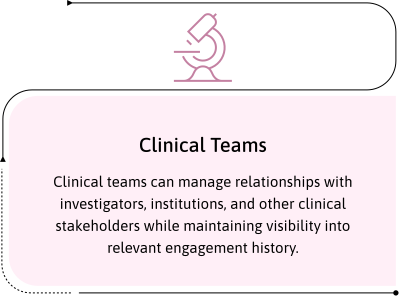
sciences can support Medical
Affairs, MSLs, Commercial, Clinical,
Scientific, Strategy, and other
teams. Each function can use the
system according to its engagement
objectives and workflows.
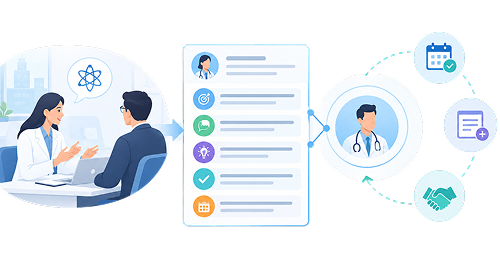
A specialised, intelligent CRM for
life sciences brings stakeholder
information and engagement history
into one place. It can help teams
prepare more effectively, maintain
continuity between interactions,
identify engagement gaps, and make
better-informed decisions about
future engagement.
Vendors should be asked to
demonstrate real scenarios, such as
reviewing an HCP's engagement
history, understanding stakeholder
relationships, documenting an
interaction, capturing insights,
planning follow-up, and analyzing
engagement patterns. This reveals
whether the system is truly built
for life sciences workflows or a
generic system adapted to fit them.