29-01-2025
KOL Tiering: A Key to Efficient and Targeted Outreach

Life sciences teams work with KOLs across therapeutic areas, markets, and levels of influence. And KOL tiering provides a way for them to distinguish relevant KOLs who matter most to specific scientific and organizational objectives. By developing a clearer view of KOLs’ relevance and influence, teams can plan engagement more effectively.
For teams managing large and evolving KOL networks, a consistent approach to tiering can bring greater clarity to who to prioritize, where to focus, and how to allocate engagement resources.
Working with the right KOLs helps medical affairs teams stay competitive. Their expert insights guide drug development, shape regulatory strategies, and support patient-focused innovation.
KOLs help disseminate scientific knowledge, improve product adoption, and foster evidence-based decision-making through clinical trials, advisory board participation, and speaking engagements.
With the use of AI in the pharmaceutical industry, teams can quickly analyze large datasets to understand a KOL’s impact. This helps them plan targeted and effective outreach.
In this article
- Understanding KOL Tiering
- Criteria for KOL Tiering
- konectar Functionalities: Enhancing KOL Engagement and Tiering
- Final Thoughts
- FAQs
However, not all KOLs have the same level of influence or impact. Some drive global scientific discourse, while others focus on regional practice patterns. Without a structured approach to identifying, categorizing, and prioritizing KOLs, medical affairs teams risk inefficient outreach, missed engagement opportunities, and suboptimal resource allocation.
This is where KOL tiering comes into play.
Understanding KOL Tiering
Given the complexity of engaging with KOLs across different geographies, a structured approach to prioritization is essential.
Without a tiering framework, teams risk spreading their efforts too thin, engaging with KOLs who may not yield the desired strategic outcomes. By focusing on the right KOLs at the right time, organizations can:
1. Enhance Relationship Management: Build more meaningful engagements with top-tier KOLs instead of adopting a one-size-fits-all approach.
2. Improve Scientific Communication: Align messaging and educational efforts with the expertise level and audience reach of different KOLs.
3. Streamline Compliance and Transparency: Establish clear criteria for engagement to meet regulatory and ethical guidelines.
With data-driven KOL tiering, medical affairs teams can design targeted outreach strategies.
How KOL Tiering Adds Value to Life Sciences Teams
KOLs play a distinct role in medical affairs and scientific discourse. Some have broad international influence, while others have strong influence within specific therapeutic areas, regions, institutions, or professional communities.
KOL tiering helps Medical Affairs teams understand these differences and prioritize relationships based on their relevance, influence, and potential impact on the organization’s objectives.
The increasing role of artificial intelligence in healthcare is transforming how these KOLs are identified, analyzed, and engaged. KOLs are broadly classified into following:
Global Thought Leaders
They have broad influence across the scientific and medical community. They may contribute to major research, advance clinical thinking, shape guidelines, or influence discussions around emerging areas of medicine.
Regional and Local Influencers
These KOLs can have significant influence within specific markets, institutions, therapeutic communities, or healthcare networks. Their perspectives can be particularly valuable for understanding local clinical practice, emerging needs, and regional scientific priorities.
A thoughtful KOL tiering approach helps teams focus their engagement efforts where they can have the greatest scientific value—while recognizing that influence can take different forms across therapeutic areas and markets.
Criteria for KOL Tiering
KOL tiering considers a range of qualitative and quantitative factors, including scientific and clinical influence, professional activities etc., which gives Medical Affairs teams a broader understanding of a KOL’s relevance and influence. This helps prioritize relationships and align engagement with their strategic objectives.
konectar Functionalities: Enhancing KOL Engagement and Tiering
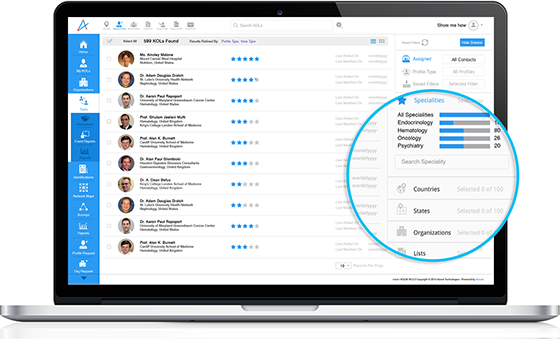
KOL Tiering in konectar provides a structured way to assess KOL influence and relevance, helping teams develop a consistent view of KOL importance. The approach brings together relevant signals to support tiering that is:
- Objective & evidence-based
- Current and adaptable
- Relevant to specific therapeutic areas and geographies
For Medical Affairs, Commercial, and Clinical teams, this means greater clarity on which KOL relationships deserve greater focus and where resources can have the most impact.
With konectar KOL Tiering, teams can:
- Prioritize high-value KOL relationships instead of treating every KOL with the same level of attention.
- Focus time and resources more effectively around the experts most relevant to their objectives.
- Create greater consistency in KOL prioritization across teams, therapeutic areas, and markets.
- Make engagement planning more informed by having a clearer view of KOL relevance and influence.
- Revisit KOL priorities as needs evolve, helping teams keep their engagement approach aligned with changing scientific and organizational objectives.
The result is a more focused approach to KOL engagement—helping teams spend less time managing broad KOL lists and more time building relationships with the experts who matter most. Request a demo to see how konectar can help your team prioritize and manage KOL relationships more effectively.
Final Thoughts
KOL tiering is an essential strategy for medical affairs teams to ensure targeted engagement with the right experts. Systematically categorizing KOLs based on their scientific influence allows teams to enhance scientific exchange and drive data-driven decision-making.
FAQs
- What is KOL tiering, and why is it essential for medical affairs teams?
KOL tiering is a structured approach to categorizing Key Opinion Leaders based on their influence, expertise, and engagement potential. It helps medical affairs teams optimize outreach, allocate resources efficiently, and drive meaningful collaborations in healthcare.
- What factors determine KOL tiers?
KOL tiers are determined by a range of relevant factors that help assess an expert’s overall influence, relevance, and importance to the organization’s engagement strategy.
- What are the key benefits of KOL tiering for life sciences companies?
KOL tiering helps enhance relationship management, optimize resource allocation, improve scientific communication, and ensure compliance with industry regulations.
- How does konectar help with KOL tiering and engagement?
konectar provides dynamic tiering models and AI-driven insights to help organizations refine engagement strategies to maximize impact.


Recommended